![What is Organic SEO? [ How It Can Help You Get New Inbound Clients in 2025]](/assets/images/blog/organic-seo-banner.png)
Google Ads are great tool, but organic traffic is even better. Why?
First, Organic Search Engine Optimization is responsible for a decent share of website traffic. In fact, position #1 drives 30% of all clicks, while a spot in paid search only gets 3-4% of clicks (in the best case scenario). This means your business will surely get more leads and clients with organic SEO in the long run.
SEO traffic is more trustworthy and converts well because many users have learned to avoid ads, understanding how Google Ads functions. As a result, they are more likely to trust and engage with sites that rank high organically, without the "ads" label.
Many digital marketing agencies report that the average ROI from SEO ranges from 550% to 1,220% over 3 to 5 years.
In this article we’ll try share how to make an Organic SEO Strategy work for you in 2024 and how to start from scratch.
What Is Organic SEO?
Organic SEO, simply put, is a comprehensive marketing strategy for growing traffic to your website from unpaid search results in Google and other search engines.
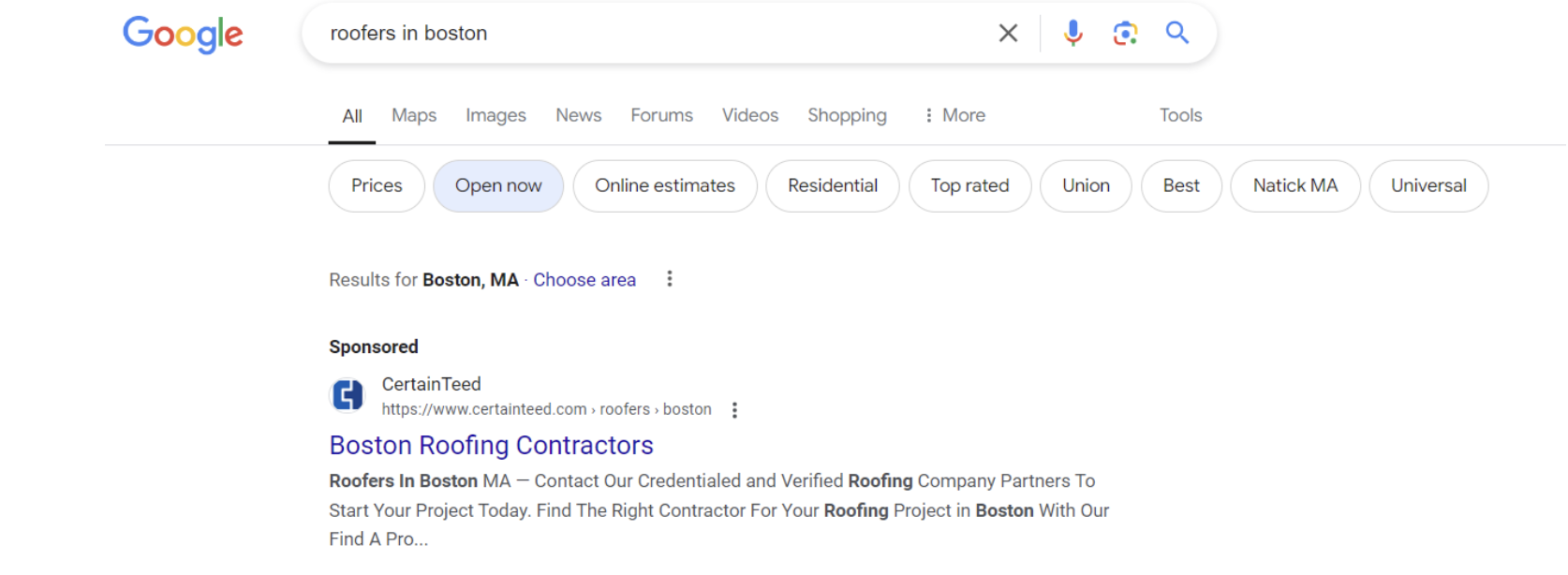
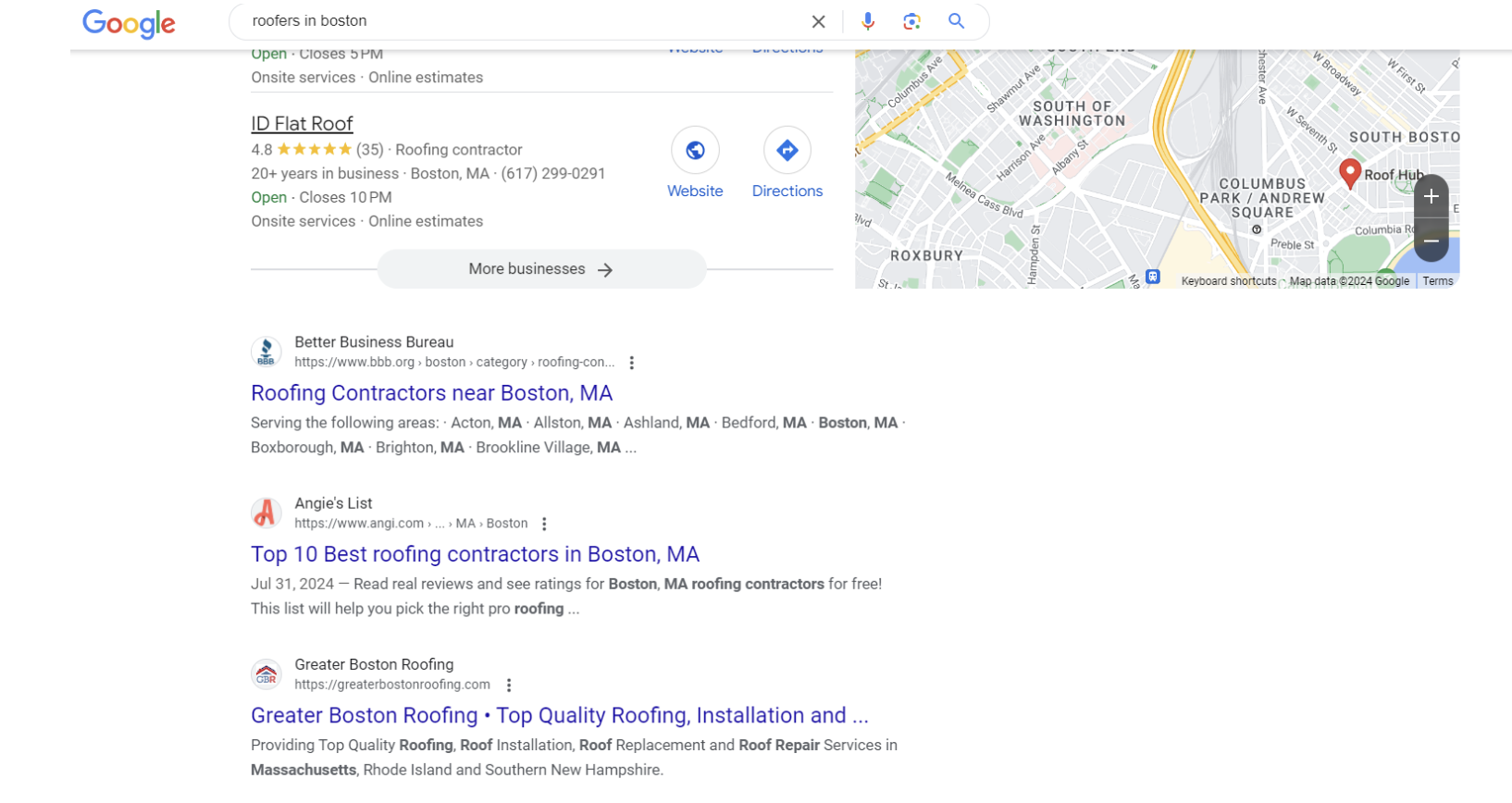
If you're unfamiliar with how SERP and Google Ads work together, here's a quick explanation of the search engine result page specific: it shows users 2 types of results: paid (where you need to run ads to compete with other websites for visibility) and organic (where your website appears naturally, without paying a dime to search engines).
Top 3 Benefits of Organic SEO for Site Owners
Site owners who have tasted SEO's benefits at least once love this traffic source, and for good reason.
Targeted Traffic
An effective organic SEO strategy drives highly targeted traffic to a website.
Ranking well for the appropriate keywords will result in potential customers discovering your website when they are in a purchasing mode.
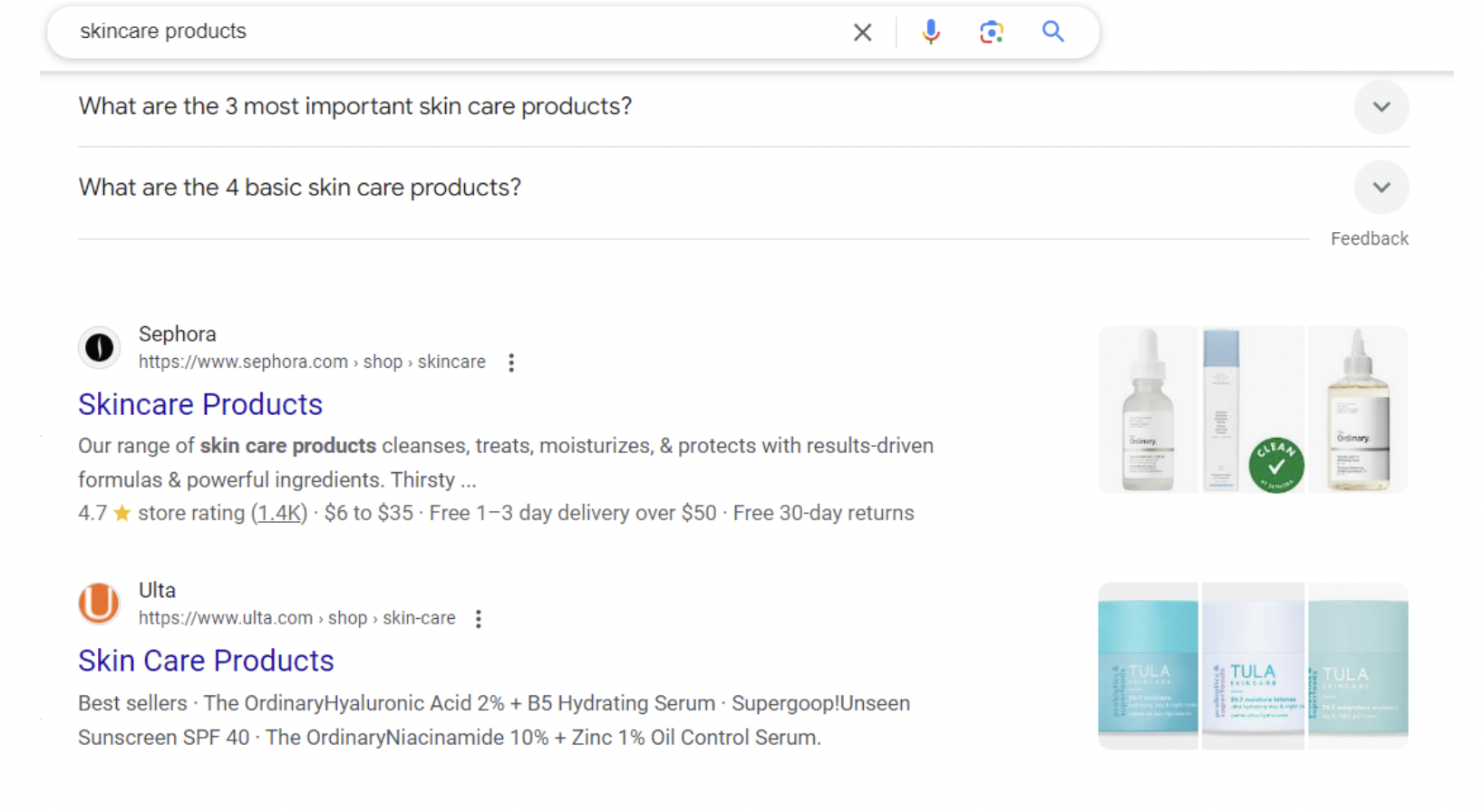
For example, let’s take people looking up the keyword “skincare products.” Many of them are very likely to have an interest in purchasing beauty products.
So, the beauty ecommerce stores that rank in the top 3 on Google for this term receive a consistent flow of potential clients to their sites.
There're many similar keywords with high purchase intent in almost every industry. Rank well for such terms in your niche, and boom! You are likely to get more inbound sales regularly.
However, organic SEO is not only focused on creating revenue. This is a great way to grow your brand awareness and authority in your niche.
Imagine it this way: people search for information related to your products or services. They find your blog posts or product pages in the SERPs and get introduced to your brand. This approach allows you to attract relevant visitors who are likely interested in your niche and direct them to the right place.
Good Payback
Organic SEO is a cost-effective method to drive traffic in comparison with other digital marketing strategies. SEO is a cumulative and after years truly economically profitable method of receiving traffic. It can be compared with investments in the stock market or investments in real estate, the investments of which can pay off only after a certain period of time.
Let's compare SEO with PPC advertising other advertising strategies.
Every time your website gets a click from a paid search, you have to pay Google for it.
The price differs greatly based on the specific keywords and location you choose in your campaign. A keyword for a premium product in a competitive market is sure to be more expensive.
Wordstream found that 50% + of advertisers invest over $2,500 monthly in PPC. The same is true for other types of advertising: social media adsd, TV, sponsorships, or podcasts. You will always need to pay to get eyeballs for your offer.
Consistency
Once you rank your site in the top 3 positions on Google, it will more likely stay there for months (or years). You’ll continue getting targeted traffic to your site all this time.
In many cases, it won't require you to do a lot to keep your top rankings. For more competitive and difficult keywords, you'll probably need to update your content and do linkbuilding regularly.
Consider organic SEO to be an investment to grow your business.
You'll have to pay when you start. However, you will benefit from the rewards for many years once it gets traction.
Important factors of the Organic SEO Strategy
A decent organic SEO strategy consists of these 3 fundamental things:
- Keyword research
- On-Page Optimization
- Link building
Do all of them properly, and you’ll be more likely to succeed.
Keyword Research Helps You Get Proper Content Topics
First of all, you need to do in-depth keyword research. The key here is to get a list of easy terms for your website to rank and related to the services or products you offer.
They will define content topics for your blogs and pages.
A lot of head term keywords (that contain 1-2 words) are very competitive. Most probably, it’ll be very difficult for your site to rank for them as you’ll have to compete with high-authority websites in search.
For example, let’s have a look at the keyword “skincare products” I mentioned earlier. Sephora.com ranks #1 for it. This site has a whopping DA 85, which is huge! The age of their domain is 27 years.

This means that to beat Sephora.com in organic search, you’ll have to invest a lot in link building and content. Still, it’ll be very challenging. If your domain is fresh, this is not a good idea.
What should you do instead?
Find easier or long-tail keywords for which your website can rank fast. These keywords are more specific and less competitive. The only drawback that comes with them is that not so many people may be searching for them. Still, they are good for your site to establish a topic authority on Google. If you create many pages with long-tail keywords, you will be able to drive a significant amount of traffic.
In the skincare niche, it could be:
- Informational queries: “How to layer skincare products”
- Terms related to specific products: “La Roche-Posay Sunscreen”
- Keywords with buying intent: “best skincare products on a budget”
How to Find Suitable Keywords
There are many ways you can find such long-tail keywords. Let me give you a few examples.
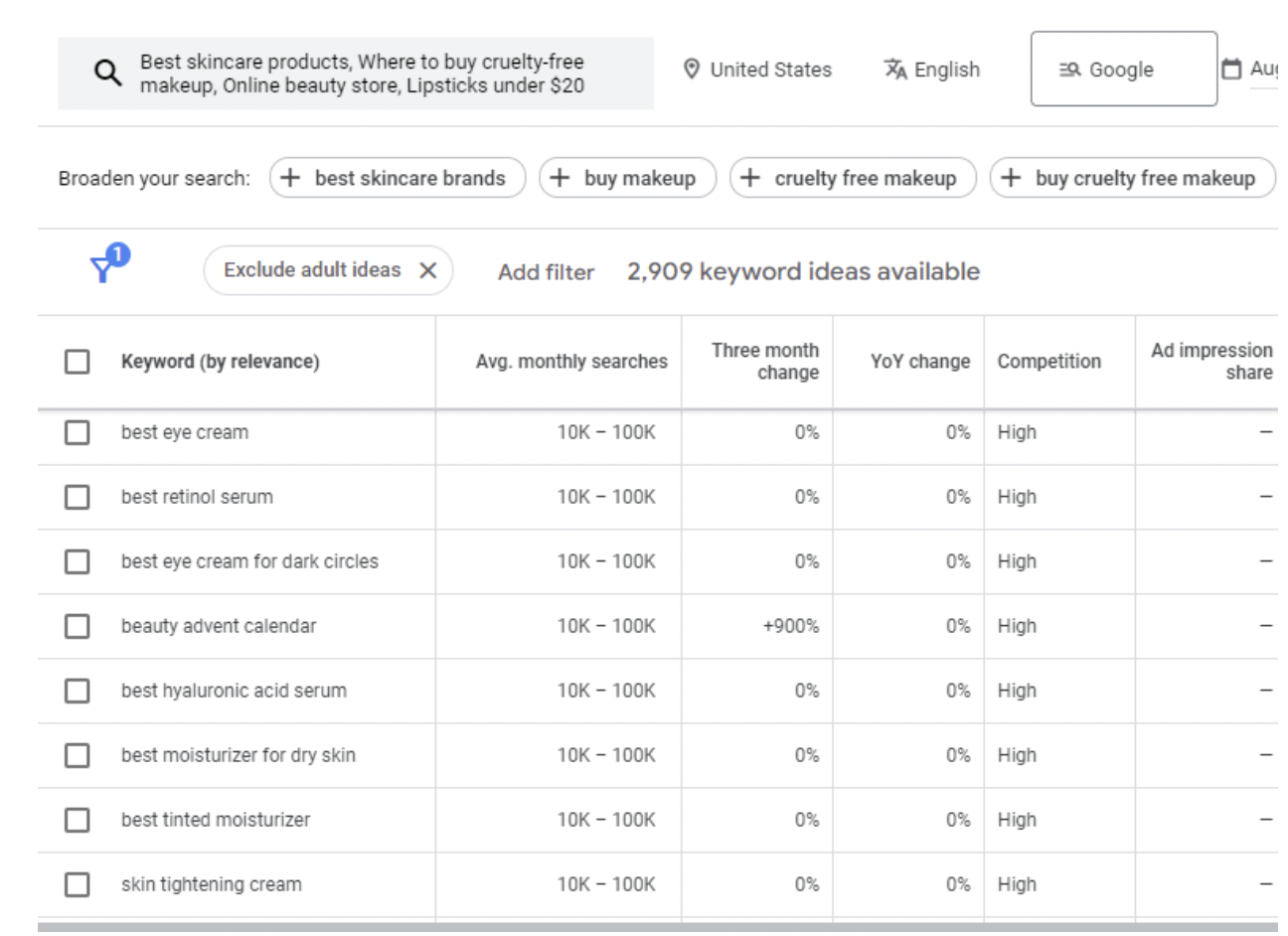
Keyword Planner
Use a free Keyword Planner tool available in your Google Ads account. Paste your main keywords into it, select the location and language, and it will give you hundreds of keywords with volume and competition metrics.
Google autocomplete
Use Google autocomplete to get your ideas. Put your main keyword, and then after it, put “a.”
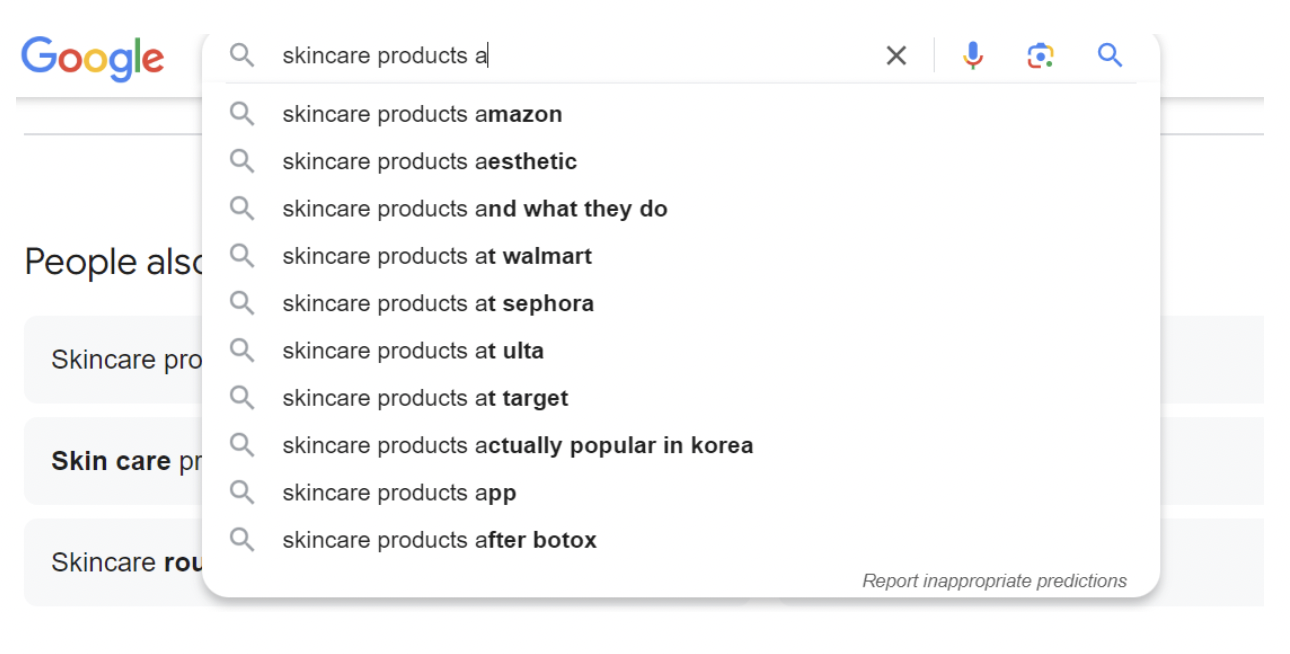
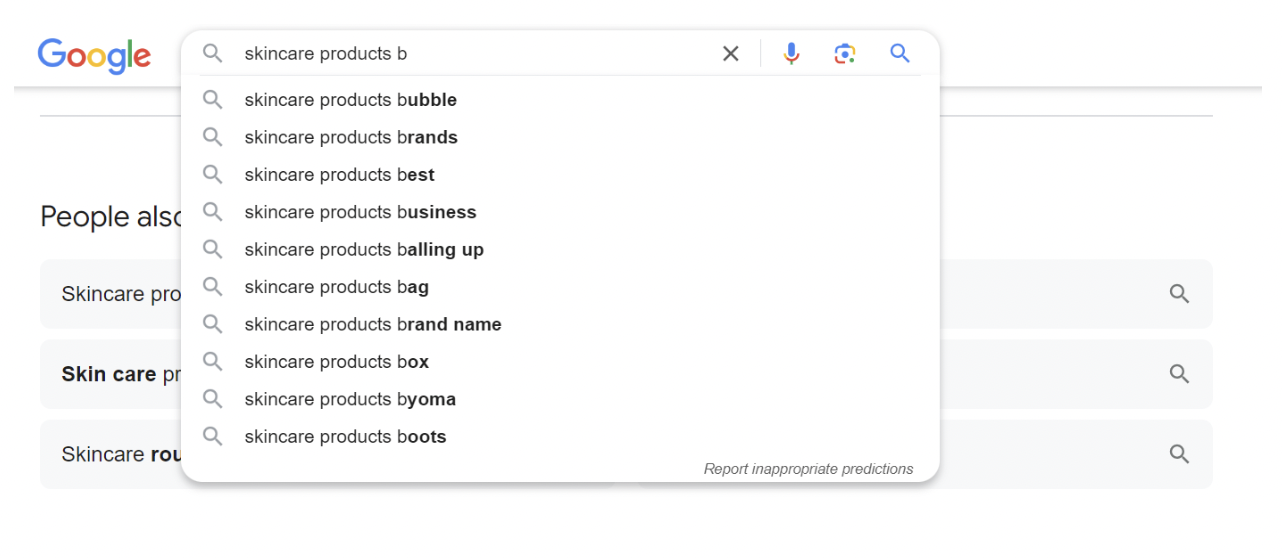
Repeat the process till you get to “z.” You’ll have a lot of keywords. ;)
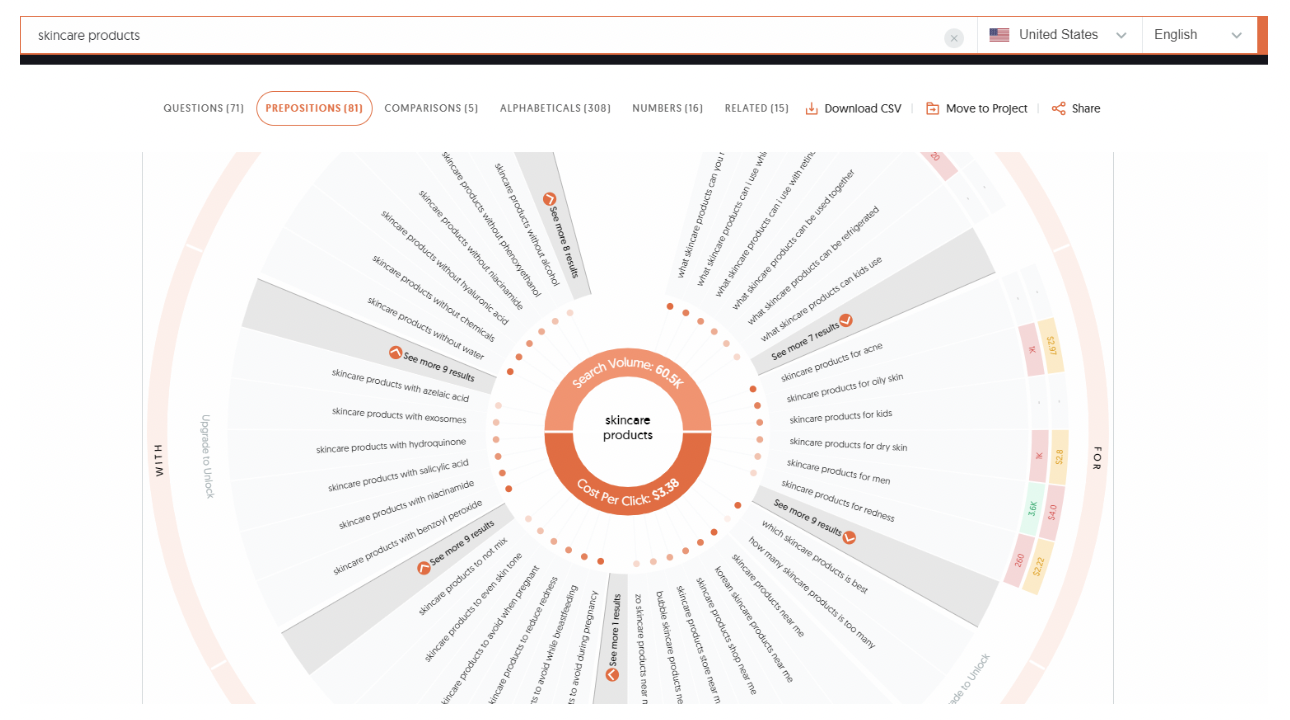
Answerthepublic
Use Answerthepublic's free tool.
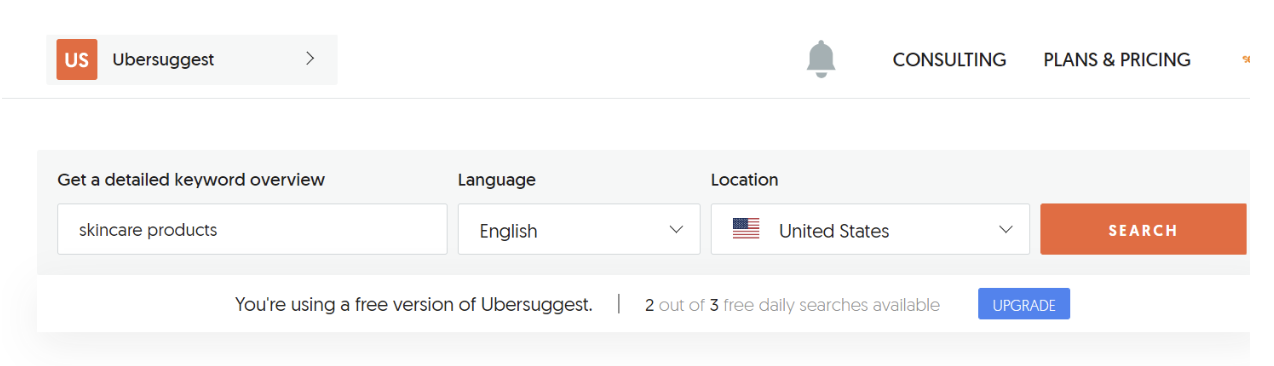
UberSuggest
Use UberSuggest’s free tool.
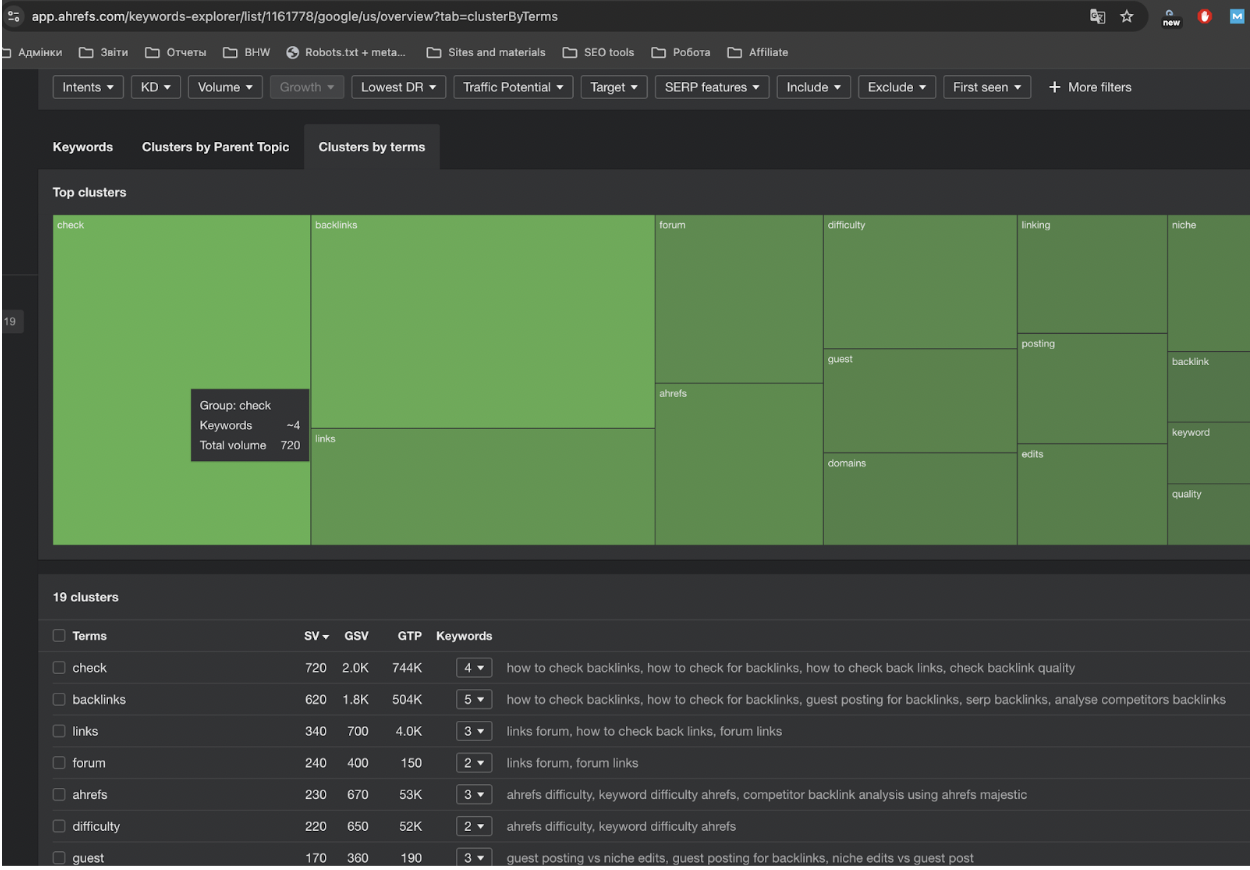
Semrush or Ahrefs
To make things easier. I suggest you use a paid tool like SemRush or Ahrefs.
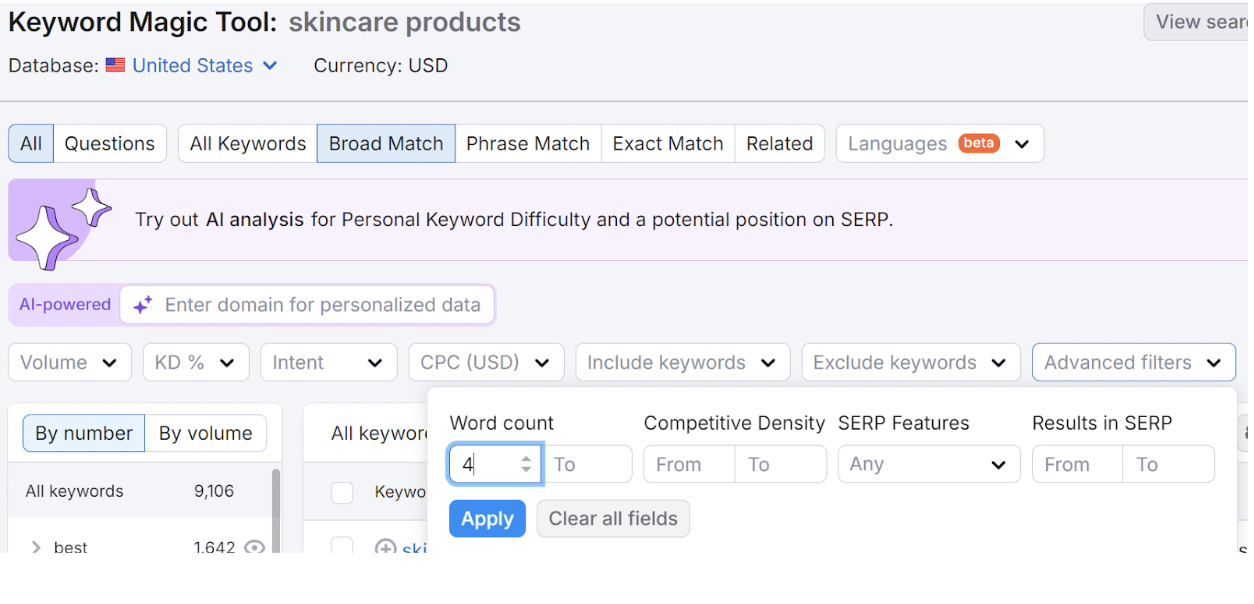
For example, in SemRush, go to Keyword Magic Tool, put your head term, and in advanced filters where it says “Word count,” put 4 or more. Then click Apply.
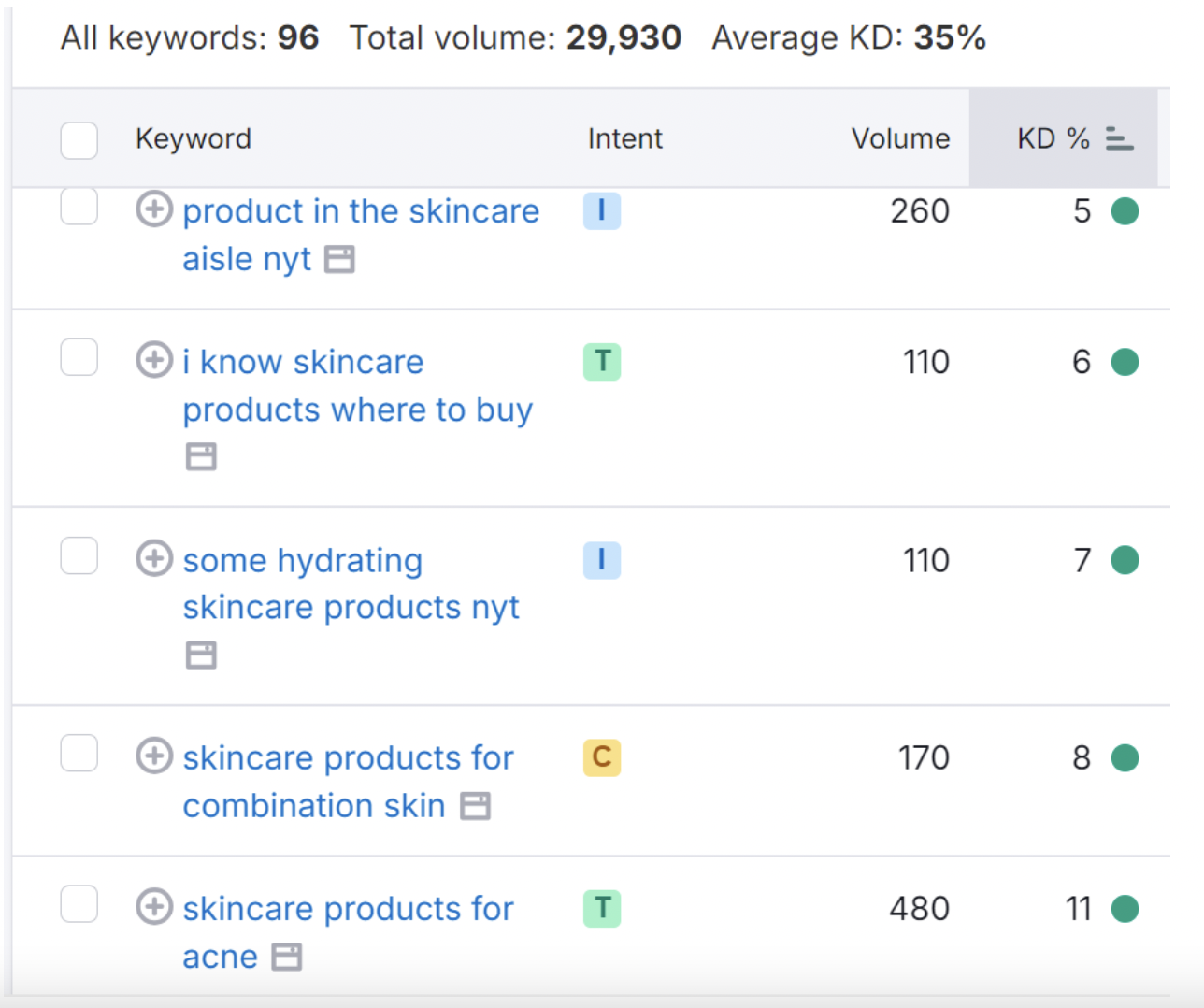
Boom! You’ll have tons of long-tail keywords. Filter them by KD (aka Keyword Difficulty), and you will be ready to go!
On-Page Optimization Lays the Foundation for Ranking
You’re done with keyword research and excited to get those rankings. What’s next? Now, it’s time to create high-quality content around those terms that you’ve found and selected for your content strategy.
Matching Search Intent
Before you start creating your content, the first and probably one of the most important things of organic SEO marketing is to correctly identify the search intent behind the main keyword you want to rank for.
How do you do that? Simple. Just go to Google and see the search results for that keyword.
In most cases, you’ll see one of these:
- Sales pages
- Product pages
- Tools
- Blog posts
The idea is that you need to match the search intent the right way. So, if you see only sales pages in SERPs, you need to create a sales page. If you see only blog posts on the first page of Google, you need to create blog posts. You’ve got the idea.
Optimizing Your Page or Blog Post
Now it’s time to write your content and optimize it for length and keywords.
Adding your primary terms to your title, intro, heading, subheadings, and URL is the simplest way to do keyword optimization.
Avoid excessive use, or search engines may flag your content as keyword stuffing. This is when you include the same keywords too many times on your page.
Go ahead and use a tool like Clearscope or Surfer SEO.
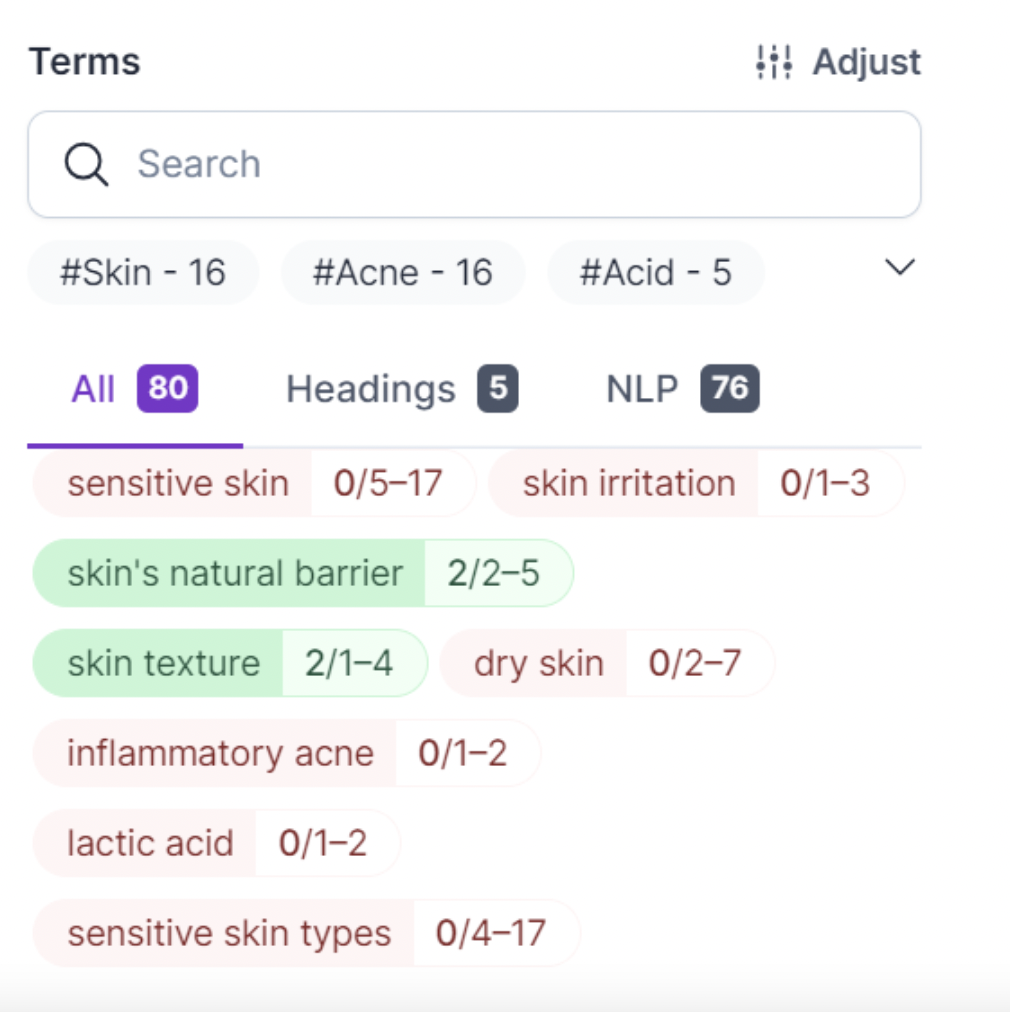
Such tools will tell you exactly what keywords to add and how many times to add to your content. This is backed by the data they pull from top-ranking content on Google.
Content Length
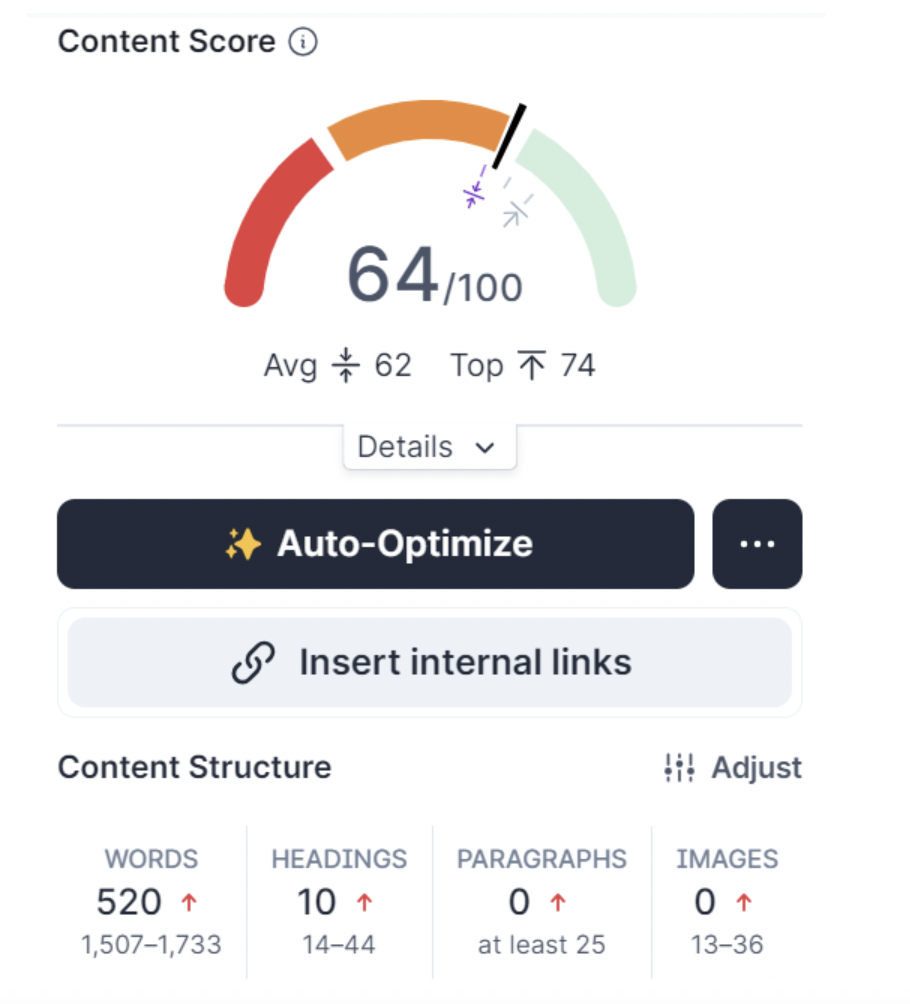
The length of your content matters too. You have 2 options here. Measure content length of top competitors manually or use paid tools like Clearscope and Surfer SEO.
Link Building
Last but not least, link building is probably the most important part of the organic search engine optimisation strategy, so you want to get it right.
To show Google that your content is worth ranking, you need quality backlinks from other sites to your pages. Google sees them as “votes”. The more you have, the better. However, the quality is even more important. So don’t mess it up. Also, it’s important to understand that you need to keep up with the velocity of building links. If you get a ton of backlinks in 1 week and then stop doing link building, it’s a red flag for Google. It’s always best to keep the pace of link building steady and slowly growing.
Types of links:
- Guest posts: Create and publish quality content on other websites with a backlink to your website.
- Niche edits: These are similar to guest posts, but you negotiate with other sites to “insert” the link to your site into existing articles.
- Forum links: Yes, forum links work well now for diversifying backlinks profile.
- Link exchanges: You exchange backlinks with 1 or several websites.
- Linkable assets: You create a link-worthy piece of content and promote it to get backlinks.
Challenges
We prefer of organic SEO optimization. This is a great way to get consistent and targeted traffic to your site.
However, SEO organic marketing comes with a couple of challenges that we'd like to address upfront.
Competitive Niches
If you're in a rather competitive niche, it'll be hard to rank for organic search terms that drive sales.
The reason for this lies in the fact that you'll have to compete with high-authority websites for these terms.
To beat these high-DA sites, you will definitely need to invest decent time and money in quality backlinks and content.
The great news is you can target suitable long-tail keywords and rank well for those terms.
Results Will Take Time
Another problem is that it requires time to see results from SEO organic optimization (in most cases, 6-12 months). If your website is fresh, it may take several months to appear in SEO organic search results, even for less competitive keywords.
This indicates that the feedback loop is rather retarded.
It can be difficult for beginners in SEO to determine if they are not seeing results because they lack patience or make mistakes.
Correct SEO Strategy Will Set You Up for Success
Yes, organic optimization will take time, and yes, natural SEO in some niches is very competitive. Let’s be straightforward about it. However, a great strategy is already half the battle. And we are always here to help you with the most difficult part of it: link building.
Get in touch with us for more details!
Are you an agency looking for help? Contact our white label link building agency today!